
Deploy Artalk
Artalk — self-hosted comments for blogs and sites
artalk
Just deployed
/data

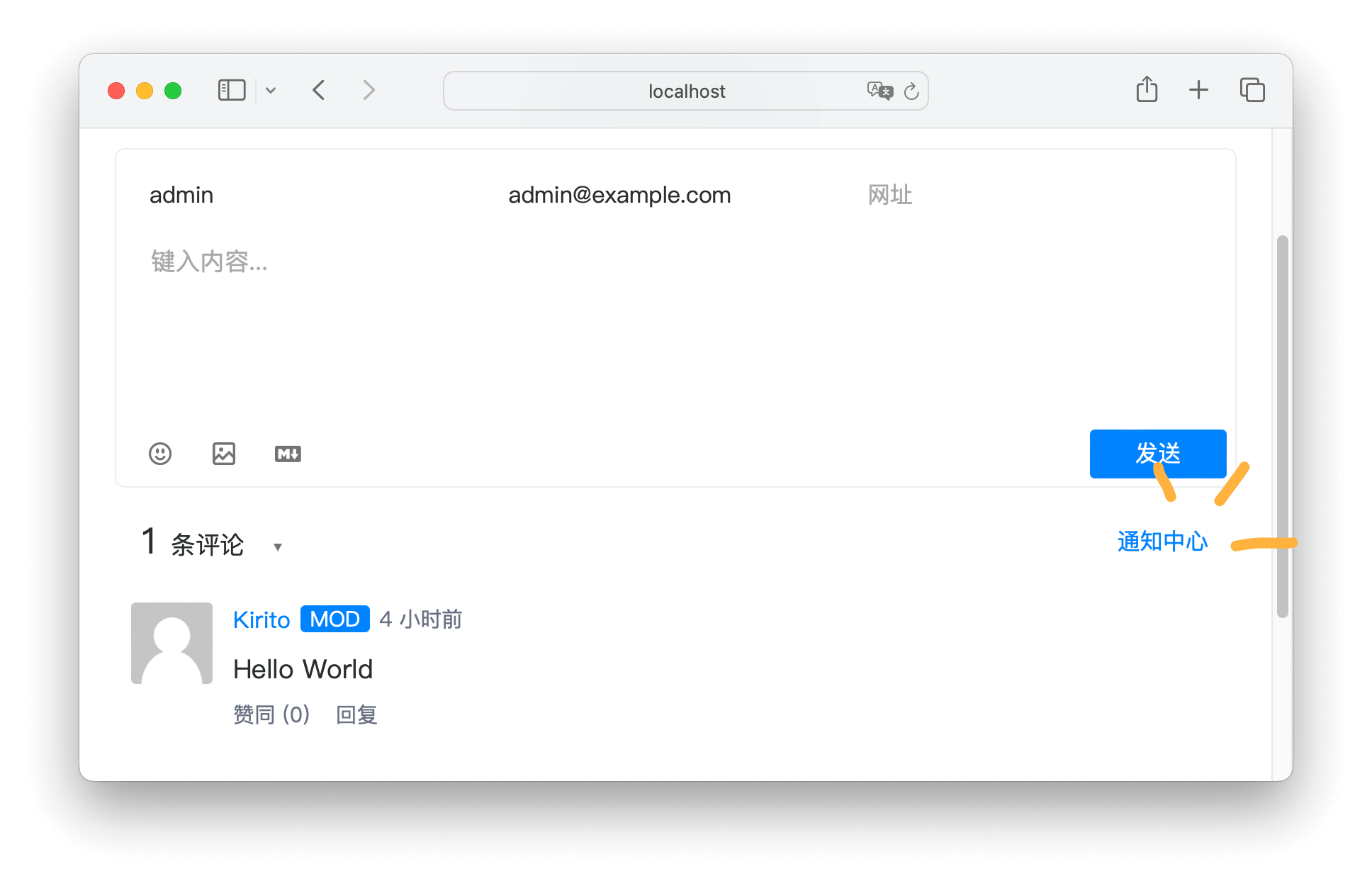
Screenshot: upstream Artalk docs — the comment editor with a posted comment and moderation actions (ArtalkJS/Artalk, docs/docs/images/sidebar/1.png). The deployed default locale is English.
Deploy and Host
Artalk is a self-hosted comment system for blogs and websites: a 40 KB embeddable widget, an admin moderation sidebar, multi-site support, spam protection, and notifications — your comments live on infrastructure you control, not a third-party service. One click deploys the official image (artalk/artalk-go v2.10.1, MIT) as a single service with an embedded SQLite database. The deploy form has one generated field — an admin password — and nothing else to fill in. On first boot the admin account (admin / admin@example.com + your generated password) and the default site ("Artalk Blog") are created automatically; log in and embed the widget on your blog with three lines of JavaScript.
About Hosting
Artalk runs as one Go-binary service from the official image, pinned by digest. The config, SQLite database, and uploads live on a Railway volume (/data) and survive redeploys. The binary boots in about a second and runs in well under 256 MB, so it fits easily on the Hobby plan with no companion services. Railway's injected PORT is mapped onto the server via ATK_PORT on every boot, and the healthcheck is /api/v2/version (unauthenticated, 200). The stock image hardcodes --port 23366, which Railway never routes to — the other Artalk template on the marketplace sits at 0% health for exactly that reason; this wrapper fixes it. (The --port CLI flag is a dead flag in Artalk v2 — registered but never read — so ATK_PORT is the only mechanism that moves the listen port.)
Why Deploy
- Zero-fuss start: no setup wizard to click through, no email step — the admin account and default site are seeded on first boot.
- Real comments: Markdown rendering, replies, votes, image upload, emoji, moderation queue, multi-site management, and social login.
- Always-on by design: a single Go binary with an embedded SQLite database — it stays readable the moment you open it.
- Private by default: your comment data stays on your own volume; no third-party comment service sees it.
Common Use Cases
- Add comments to a static blog (Hexo, Hugo, Jekyll, Ghost) without a third-party comment service.
- Run comments for several sites from one dashboard, with separate moderation queues per site.
- Replace Disqus/Commento with a self-hosted system where comment data stays yours.
- Moderate from the admin sidebar: approve, pin, edit, or delete comments without leaving the page.
Dependencies for
Deployment Dependencies
- Runtime: single Go-binary service; runs in well under 256 MB.
- Port: 8080 by default, mapped from Railway's injected
PORTviaATK_PORTon every boot. - Persistence: one Railway volume at
/data(config, SQLite database, uploads). - Healthcheck:
/api/v2/version(unauthenticated, 200). The app root/is a 302 to the admin sidebar (/sidebar/), so it cannot be the platform probe. - Plan tier: Hobby plan; no companion services.
Environment variables (condensed reference): ATK_ADMIN_USERS_0_PASSWORD (${{secret(16)}} — admin password, set once on first boot), ATK_ADMIN_USERS_0_NAME (admin, baked), ATK_ADMIN_USERS_0_EMAIL (admin@example.com, baked), ATK_LOCALE (en, baked), ATK_TIMEZONE (UTC, baked), ATK_SITE_DEFAULT (Artalk Blog, baked), ATK_SITE_URL (derived at boot from RAILWAY_PUBLIC_DOMAIN — replace with your real blog URL in the admin sidebar), PORT (injected by Railway and mapped automatically). Optional tunables: ATK_AUTH_ANONYMOUS (false), ATK_MODERATOR_PENDING_DEFAULT (false), ATK_CAPTCHA_ENABLED (false), ATK_ADMIN_NOTIFY_EMAIL_ENABLED (true), ATK_DB_TYPE (sqlite), ATK_TRUSTED_DOMAINS (extra allowed widget origins). See the upstream environment variable reference for the full list.
Template Content
artalk
INAPP-Mobile/artalk
