
Deploy Node.js
Deploy Node.js and Express starter for modern web apps. Deploy in 1-click
Just deployed
Deploy and Host Node.js on Railway
What is Node.js?
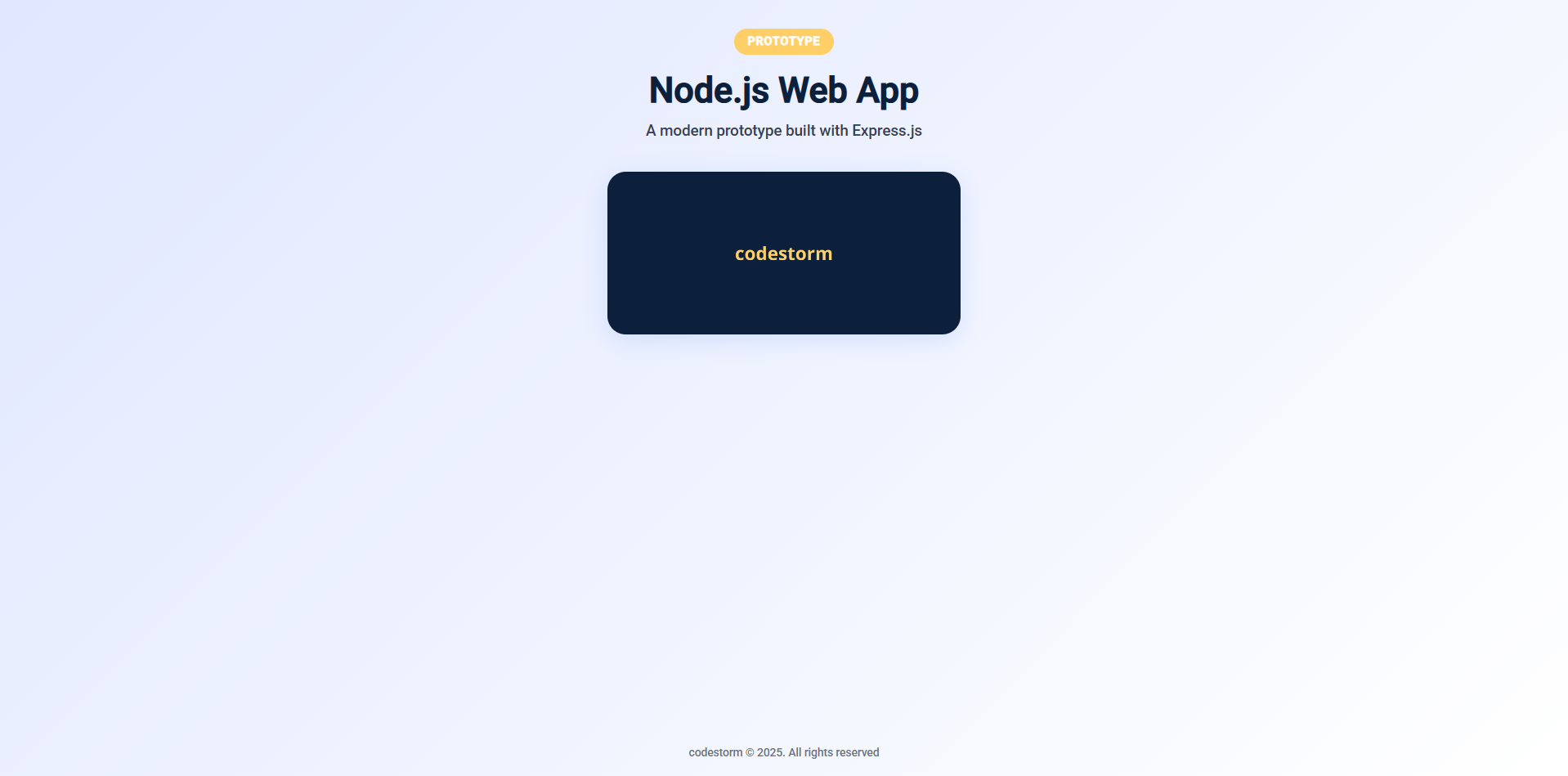
Node.js is a lightweight, open-source, cross-platform JavaScript runtime environment built on Chrome's V8 engine. It enables developers to build fast, scalable, and efficient web applications, APIs, and microservices. With its non-blocking, event-driven architecture, Node.js is ideal for handling concurrent connections, making it perfect for modern web development.
About Hosting Node.js
Hosting Node.js on Railway allows developers to deploy applications seamlessly without worrying about complex server setups. Railway provides an automated environment where you can push your code directly from GitHub, configure environment variables, and instantly spin up scalable services. With built-in support for databases, CI/CD integration, and horizontal scaling, hosting Node.js on Railway ensures developers can focus on building features rather than managing infrastructure. The deployment process is streamlined, making it suitable for prototypes, MVPs, and production-ready applications.
How to Use
After deploying this template, the app is already running on Railway. You can open the generated Railway domain to test the starter app immediately.
If you want to customize the source code, use one of the workflows below.
Via Railway CLI
Use this workflow if you want to edit the project locally and redeploy changes directly from your machine using Railway CLI.
- Deploy the template.
- Clone the repository from Source Repo or Upstream Repo in the Railway dashboard.
- Enter the project directory:
cd
- Link your local project directory to the deployed Railway project:
railway link
- Check the linked project, environment, service, and repository information:
railway status
- Edit the code locally.
- Redeploy your local changes to Railway:
railway up
Railway will upload the current local directory and deploy it to the linked service.
Via Git / GitHub
Use this workflow if you want to manage changes through GitHub and let Railway automatically redeploy after every push.
- Deploy the template.
- Open Source Repo or Upstream Repo from the Railway dashboard.
- Fork the repository to your own GitHub account.
- Clone your fork locally:
git clone
cd
- Edit the code locally.
- Commit and push your changes to your fork:
git add .
git commit -m "Customize Node.js starter"
git push origin main
- In Railway, change the service Source Repo to your fork if Railway does not automatically create or link it.
- After the service is connected to your fork, future pushes to the repository can trigger automatic redeployments.
Common Use Cases
- Building RESTful or GraphQL APIs
- Developing real-time applications (chat apps, live dashboards)
- Prototyping web services and microservices
Dependencies for Node.js Hosting
- Node.js runtime (latest LTS recommended)
- Express.js or other frameworks for routing & middleware
Deployment Dependencies
Why Deploy Node.js on Railway?
Railway is a singular platform to deploy your infrastructure stack. Railway will host your infrastructure so you don't have to deal with configuration, while allowing you to vertically and horizontally scale it.
By deploying Node.js on Railway, you are one step closer to supporting a complete full-stack application with minimal burden. Host your servers, databases, AI agents, and more on Railway.
Template Content